Our impact
Decarbonising
Industry
The impact of a sustainable industrial service company, specifically one operating on a Build, Operate, and Transfer (BOT) biomass energy model, is highly significant to global decarbonization efforts. Industrial manufacturing accounts for a massive portion of global greenhouse gas emissions, and thermal heat (steam) is one of the hardest sectors to clean up.
By replacing fossil fuels with sustainably managed circular biomass and compressed natural gas (CNG), this business model drives systemic change across environmental, economic, and logistical scales.
75–85%
Potential reduction in lifecycle CO₂ emissions when heavy industrial boilers switch from fuel oil, coal or LPG to wood pellets and alternative biomass.
25×
Methane is over 25 times more potent than carbon dioxide at trapping atmospheric heat — pelletising waste keeps it out of open decomposition.
Zero
Capital expenditure for the factory. The BOT/BOOT structure absorbs 100% of the initial design, financing and construction costs.
Environmental impact
Carbon Out Of The Atmosphere
Displacing Fossil Fuels
01
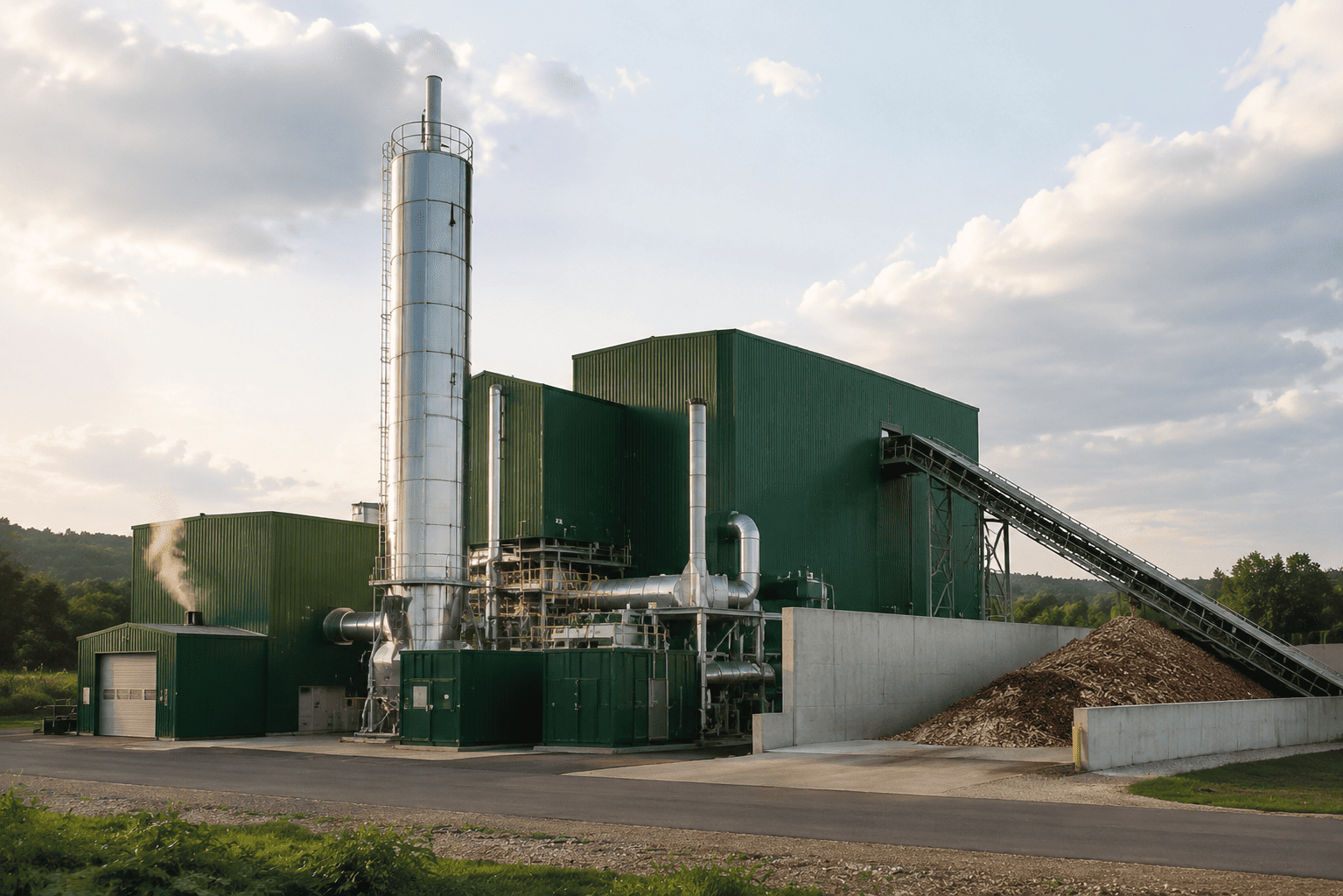
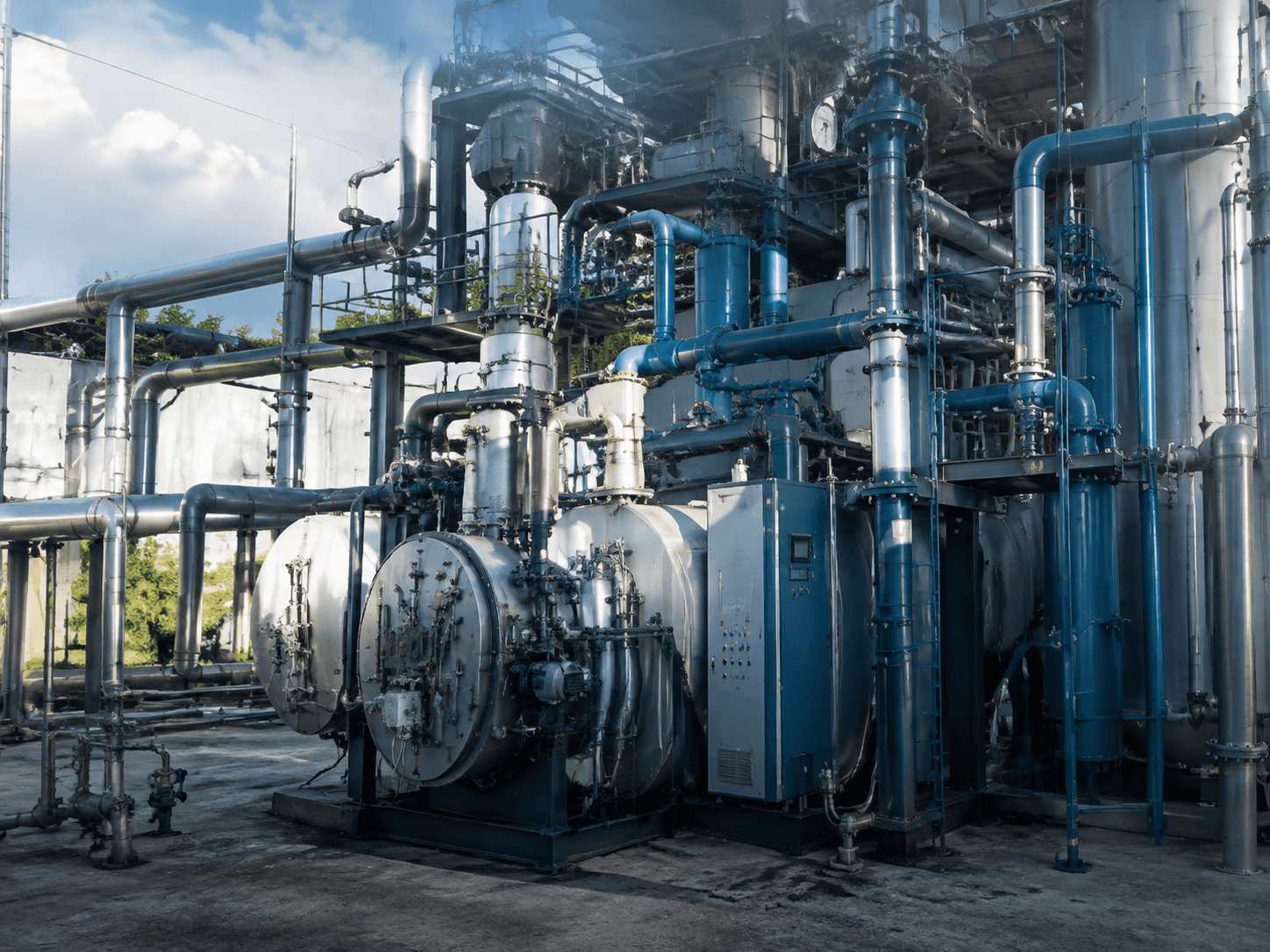
Traditional industrial boilers burn heavy fuel oil, coal, or liquid petroleum gas (LPG). Transitioning these heavy systems to wood pellets or alternative biomass can slash lifecycle carbon dioxide (CO₂) emissions by up to 75% to 85% compared to conventional setups.
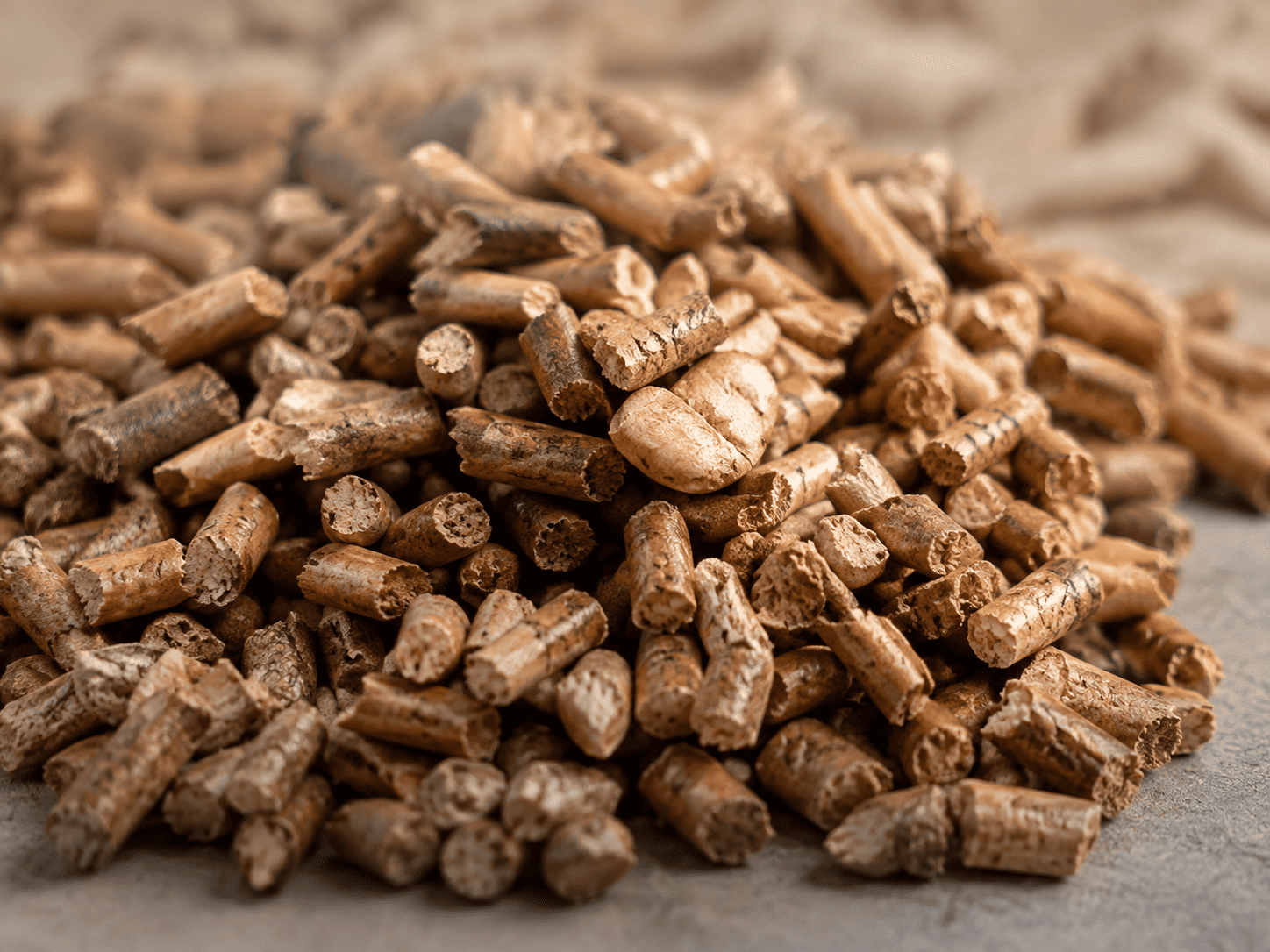
Circular Lifecycle Carbon
02
Biomass fuel releases carbon that was recently absorbed by plants during their growth cycle. Unlike burning fossil fuels, which introduces ancient, buried carbon into today's atmosphere, sustainable biomass functions on a low-hazard, closed-loop lifecycle.
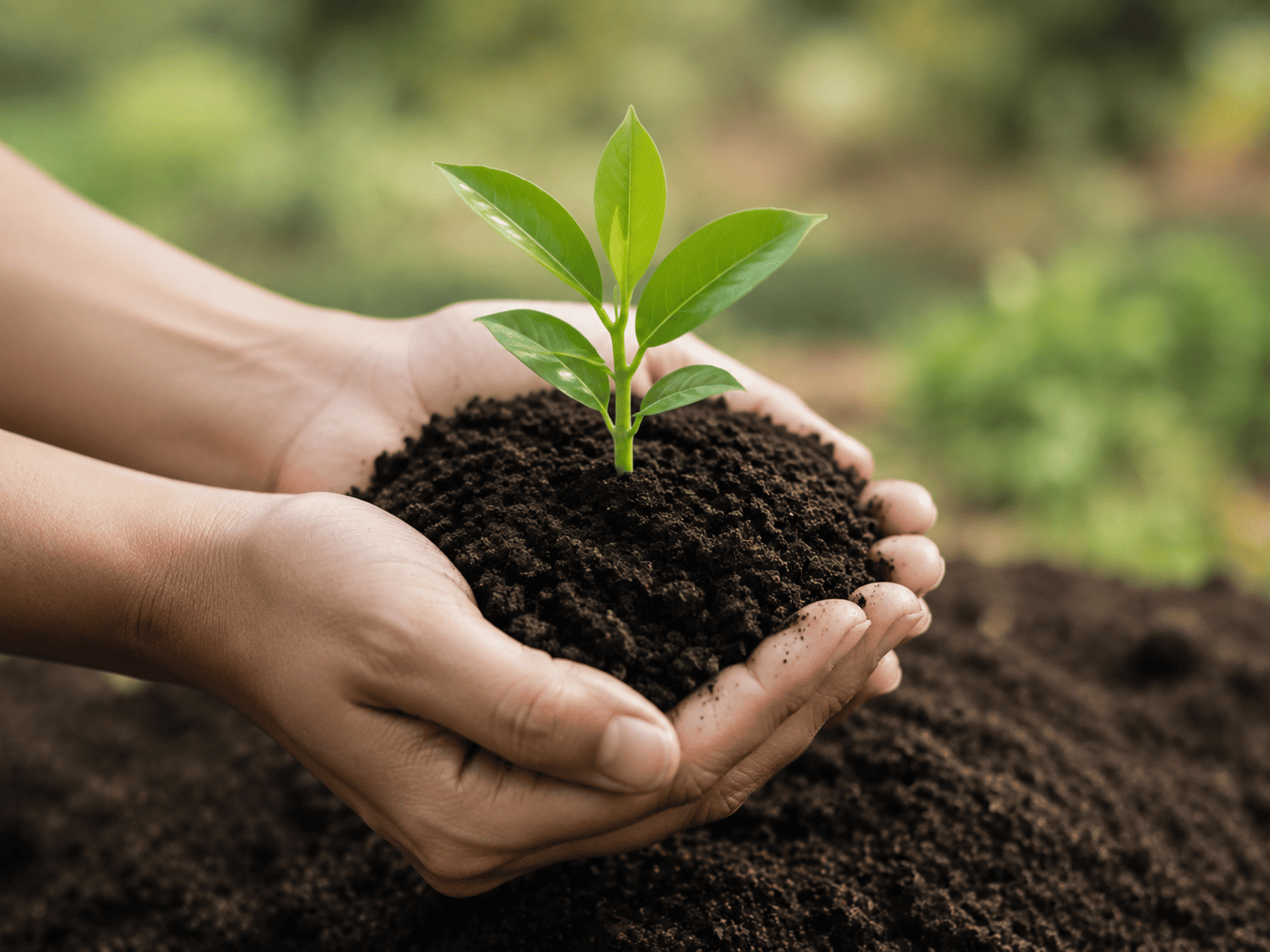
Agricultural Waste Mitigation
03
Utilizing agricultural and wood processing leftovers to create pellets prevents this organic material from rotting in open fields. Open decomposition releases methane, a greenhouse gas over 25 times more potent than carbon dioxide at trapping atmospheric heat.
Economic impact
Green Energy
Without The Risk
The BOT model moves capital cost, operational risk and fuel-supply volatility off the factory's balance sheet and onto a specialist provider.
01
Zero Capital Expenditure (CapEx)
The primary hurdle for global factories transitioning to green energy is the high upfront cost of specialized biomass machinery. The BOT/BOOT structure completely eliminates this barrier by absorbing 100% of the initial design, financing, and construction costs.
02
Guaranteed Operational Efficiency
Because the service provider owns and manages the system during the contract, they absorb all operational risks. Highly trained engineers keep the boiler surfaces free of soot and ash fouling, preventing the thermal efficiency penalties that cause unmanaged systems to burn excess fuel.
03
De-Risking the Supply Chain
Biomass markets can suffer from extreme short-term price fluctuations due to regional weather patterns or global trade shocks. A specialized vendor absorbs this volatility through dedicated localized supply networks, providing predictable energy costs to the factory.
Benefits & guardrails
Honest About
The Trade-offs
While the overall net impact is overwhelmingly positive for global climate targets, a truly sustainable model requires strict adherence to localized ecological guardrails.
Impact dimension
Core global benefit
Critical risk factor / guardrail
Atmospheric Carbon
Drastic long-term reduction in cumulative fossil fuel emissions.
Requires strict responsible sourcing so forests aren't cleared faster than they regrow.
Local Air Quality
Reduces heavy sulfur and toxic particulate matter compared to burning coal.
Demands state-of-the-art multi-cyclonic dust collectors and bag filters to manage ash.
Socio-Economic
Creates high-utility regional jobs across wood collection and specialized engineering.
Biomass boilers require massive physical footprints for fuel storage compared to gas lines.